Is Greenland the First Casualty of a New Global Order?
Greenland is no longer a laughing matter. This post explores how American ambition could reshape the global order —and why Europe must act before it’s too late.
CURRENT AFFAIRS
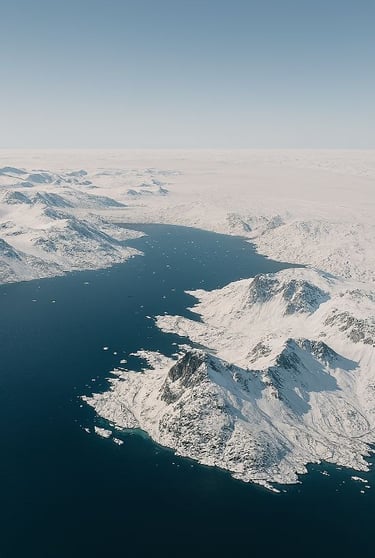
Greenland and the Whisper of Rogue America
International relations often remind us that power is never static. Alliances shift, ambitions resurface, and the global order is constantly tested. Carlo Masala’s book If Russia Wins imagined NATO’s failure against Russian aggression. Yet, in today’s debates, another scenario is gaining attention: what if the challenge comes not from Russia, but from America itself?
Greenland as a Flashpoint
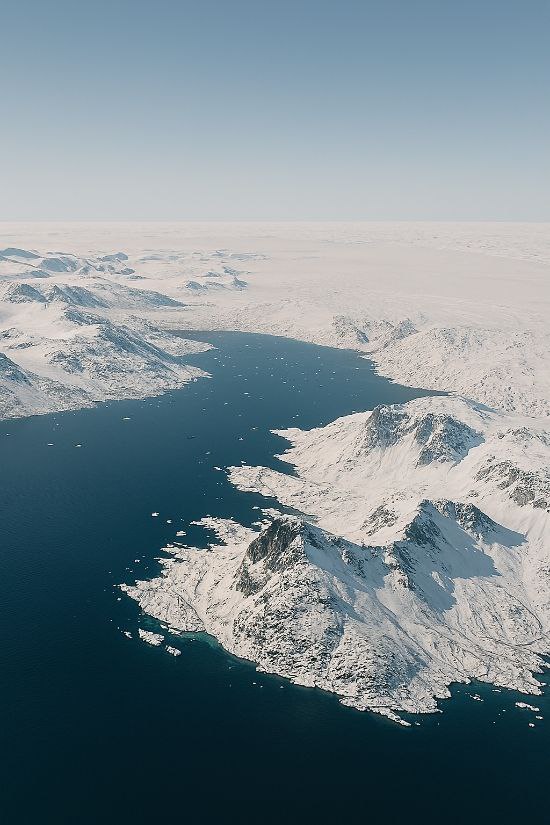
Greenland, the world’s largest island, has long been seen as remote and irrelevant. But beneath its icy surface lie mineral resources, strategic military bases, and symbolic importance for NATO. Once dismissed as a joke when Donald Trump floated the idea of buying it, Greenland now appears at the center of a serious geopolitical conversation.
- Tariffs and Pressure: Rising trade barriers against European countries signal a willingness to punish allies who resist.
- Protectorate Talk: The idea that Greenland could be declared an American protectorate without conflict raises questions about sovereignty
- Military Presence: Existing US bases provide a foothold that could easily be expanded
Europe’s Dilemma
For Europe, the challenge is unprecedented. NATO was built on the assumption that America is the guarantor of security. But what happens when the guarantor itself becomes the threat?
- Economic Tools: Europe could impose tariffs, taxes, or restrictions on US firms.
- Political Leverage: Expelling troops, closing bases, or refusing logistical support are options under discussion.
- Public Diplomacy: A campaign aimed at ordinary Americans could highlight shared heritage and warn against hostility.
Historical Echoes
Trump’s rhetoric evokes memories of late‑19th century expansionism, when the US annexed Hawaii, Puerto Rico, Guam, and the Philippines. The symbolism of building triumphal monuments in Washington DC suggests a desire to revive imperial imagery.
This raises a deeper question: are European nations, once colonizers themselves, now at risk of being subjected to a new imperial order?
Possible Consequences
If Greenland were to fall under American control “one way or the other,” the implications would extend far beyond the Arctic:
- Chain Reaction: Russia and China could exploit the precedent to carve out their own spheres of influence.
- NATO’s Credibility: The alliance’s founding principle of collective defense would be undermined.
- Global Disorder: The rules‑based system established after World War II could unravel, replaced by raw power politics.
Europe’s Choices
While a massive military defense of Greenland seems unlikely, Europe is not without leverage. The real test lies in whether European leaders are willing to act decisively rather than rely on verbal protests.
- Deterrence: Strong economic and political measures could signal resolve.
- Unity: A fragmented response would only embolden expansionist ambitions.
- Vision: Europe must articulate a clear alternative to power politics, rooted in sovereignty and cooperation.
Conclusion
Greenland is no longer a laughing matter. It has become a symbol of the fragility of alliances and the dangers of unchecked ambition. The scenario of “Rogue America” is not about predicting the future, but about recognizing the stakes of the present.
The world faces a choice: resist the erosion of international norms, or accept a new age of imperial expansion. The outcome will shape not only Greenland’s destiny, but the future of global order itself.